
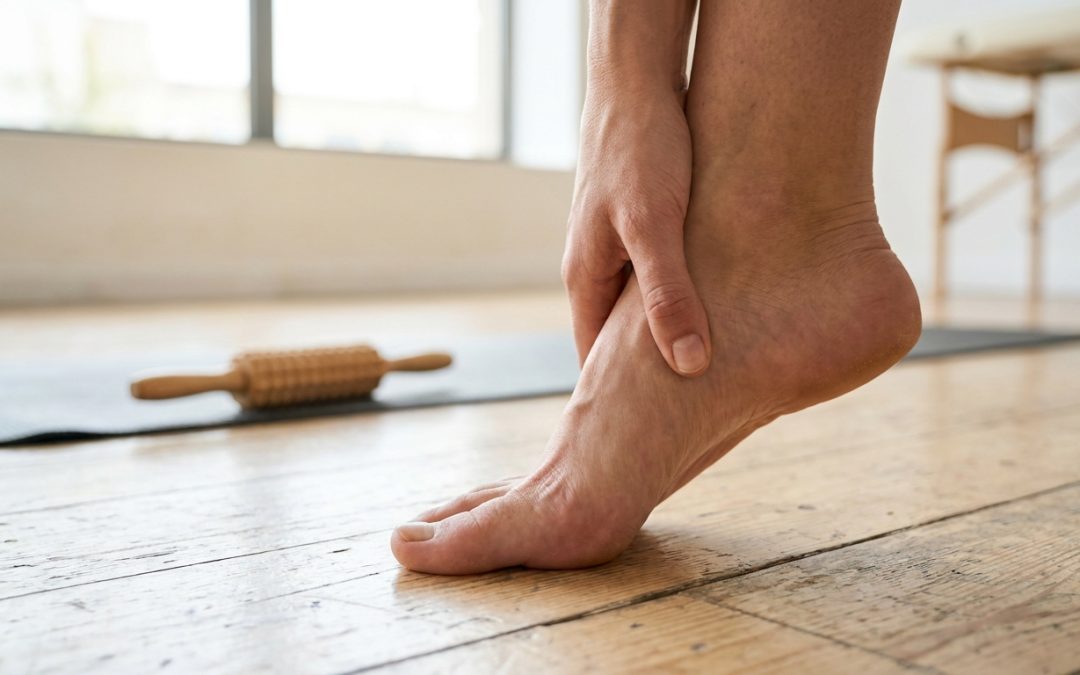
Stop Ignoring This Arch Pain Warning: The Langley Mistake That’s Costing You Mobility
Industry professionals across British Columbia consistently observe a troubling pattern: a significant number of residents in Langley, Surrey, Abbotsford, and surrounding communities treat arch pain as a minor inconvenience. The prevailing mindset is often to “walk it off,” switch to a different pair of shoes, or hope it resolves on its own. This “wait and see” approach is a critical mistake. What experts in podiatric medicine know is that arch pain is rarely just a simple ache; it’s a direct warning signal from the complex structure of your feet. Ignoring this signal doesn’t just prolong discomfort—it actively compromises your long-term mobility, setting off a chain reaction that can affect your knees, hips, and back.
The reality is that persistent arch pain is often a symptom of an underlying biomechanical issue, most commonly a condition known as plantar fasciitis. This inflammation of the thick band of tissue that supports your arch doesn’t typically heal without proper intervention. For the active populations in communities from Chilliwack to White Rock, this oversight can mean the difference between enjoying a hike on a local trail and being sidelined by chronic pain that limits everyday activities. Approximately 75% of Canadians will face foot health problems in their lifetime, and what starts as a manageable pain in the arch can evolve into a condition that severely impacts quality of life. This guide will break down why this common approach to arch pain is so detrimental and what professional standards suggest is the correct course of action to protect your mobility for years to come.
The ‘Wait and See’ Approach: Why This Common Mindset Fails Your Feet
It’s a scenario podiatrists see regularly: a patient from Langley or Vernon comes into the clinic after months, sometimes years, of dealing with escalating arch pain. They’ve tried softer shoes, over-the-counter insoles, and maybe even stopped their favourite activities, like walking along the White Rock pier, all in the hope that rest would solve the problem. Unfortunately, this passive approach is fundamentally flawed because it fails to address the root cause of the pain.
Mistake #1: Assuming Rest Alone is a Cure
While rest can temporarily alleviate symptoms, it does nothing to correct the underlying mechanical flaws causing the arch to become strained in the first place. Conditions like plantar fasciitis are often the result of overuse combined with poor foot mechanics, such as flat feet (over-pronation) or excessively high arches. When you resume activity, the same dysfunctional movement patterns place stress right back on the plantar fascia, and the pain returns, often worse than before.
Podiatric science reveals that the sharp pain often felt with the first steps in the morning is a hallmark sign of plantar fasciitis. This occurs because the plantar fascia tightens overnight. As you begin to walk, the tissue is suddenly stretched, causing micro-tears and inflammation. Without targeted intervention to improve foot function and reduce this strain, the cycle of inflammation and pain will continue indefinitely.
Mistake #2: Underestimating the Domino Effect
Your feet are the foundation of your body. When arch pain causes you to alter your gait—even subtly—to avoid discomfort, you create a ripple effect of misalignment. Industry case studies consistently show that untreated foot problems lead to secondary issues. A person compensating for arch pain might shift weight to the outside of their foot, which can strain the ankle. This, in turn, can affect the alignment of the knee, leading to pain. Before long, that “minor” arch issue has contributed to chronic hip or lower back pain, creating a complex musculoskeletal problem that is much harder to resolve. This chain reaction is why ignoring foot pain can directly lead to broader mobility limitations.
Beyond ‘Bad Shoes’: Uncovering the True Culprits of Your Arch Pain
Many people in the Fraser Valley are quick to blame their footwear for arch pain. While improper shoes are certainly a contributing factor, they are rarely the sole cause. Professional diagnostics often reveal deeper biomechanical and lifestyle-related triggers that must be addressed for lasting relief.
The Role of Foot Structure and Biomechanics
Your inherent foot structure plays a massive role in your susceptibility to arch pain. Experts identify two common culprits:
- Flat Feet (Over-pronation): In this condition, the arch flattens excessively upon weight-bearing, causing the foot to roll inward. This motion over-stretches the plantar fascia, leading to inflammation and pain. It’s a prevalent issue that podiatrists in communities like Victoria and Nanaimo frequently address with corrective therapies.
- High Arches (Pes Cavus): Conversely, feet with very high arches can be rigid and poor at absorbing shock. This concentrates immense pressure on the heel and ball of the foot, placing significant tension on the tight plantar fascia.
A podiatrist can perform a biomechanical assessment and gait analysis to precisely identify these structural issues, which is the critical first step toward effective treatment.
Lifestyle and Occupational Factors in BC Communities
The diverse lifestyles across our service areas—from the active, outdoorsy residents of Cranbrook and Penticton to the retail and service workers standing for long hours in Surrey and Langley—present unique risks. Research from WorkSafeBC has explored the link between prolonged standing on hard surfaces and an increased risk of plantar fasciitis. Occupations common in the region, such as construction, healthcare, and retail, often require employees to be on their feet for the majority of their shift, significantly increasing the cumulative load on the arches.
Furthermore, a sudden increase in activity—like a new running program in Kelowna or deciding to train for a charity walk in Abbotsford without proper conditioning—can overload the structures of the foot, triggering arch pain. Weight gain is another significant factor, as every extra pound places additional strain on the plantar fascia.
What Podiatric Professionals Know About Correct Diagnosis and Treatment
Self-diagnosing and treating arch pain with generic solutions is a recipe for failure. The field of podiatry utilizes a systematic approach to identify the precise cause of your pain and develop a multi-faceted treatment plan. This level of care is essential for true recovery and is a standard upheld by the College of Physicians and Surgeons of BC.
The Importance of a Professional Diagnosis
While plantar fasciitis is the most common cause of arch pain, it’s not the only one. Other potential issues include stress fractures, tendonitis, or even arthritic changes. A qualified podiatrist will conduct a thorough physical examination, review your medical history, and discuss your activity levels. In some cases, diagnostic imaging like an X-ray or ultrasound may be used to rule out other conditions and confirm the diagnosis. This accurate diagnosis is the cornerstone of an effective treatment plan, ensuring you’re not just masking symptoms but addressing the root cause.
Modern, Evidence-Based Treatment Pathways
Once a diagnosis is confirmed, podiatric professionals have a range of effective, non-surgical treatments at their disposal. The goal is not just to reduce inflammation but to correct the biomechanics that caused the problem.
- Custom Orthotics: This is a key intervention. Unlike generic, over-the-counter insoles, custom orthotics are prescribed medical devices created from a precise 3D scan or mold of your feet. They are designed to support your specific arch structure, control faulty foot motion like over-pronation, and redistribute pressure away from the inflamed area. Clinics providing custom orthotics in Nanaimo, Victoria, and Penticton find them highly effective for long-term pain management and prevention.
- Shockwave Therapy: For persistent cases, Extracorporeal Shockwave Therapy (ESWT) is a highly effective, non-invasive option. This technology uses acoustic waves to stimulate blood flow and trigger the body’s natural healing processes in the damaged tissue. Clinics offering shockwave therapy in Chilliwack, Surrey, and Penticton report significant pain reduction in patients who haven’t responded to other conservative treatments.
- Targeted Stretching and Physical Therapy: A podiatrist will prescribe specific stretching exercises for the plantar fascia and Achilles tendon. Tightness in the calf muscles can exacerbate arch pain, so a comprehensive stretching regimen is crucial for recovery.
- Footwear Counseling: Professional guidance on appropriate footwear is invaluable. A podiatrist can assess your current shoes and recommend specific features—like a stable heel counter, adequate cushioning, and proper arch support—that are suited to your foot type and lifestyle.
Local Expert FAQ
Here are answers to some questions industry professionals frequently hear from patients in Langley, Kelowna, and across Vancouver Island.
Why did my arch pain start for no apparent reason?
Podiatrists often find that arch pain develops gradually from repetitive micro-trauma. It may feel sudden, but the underlying strain has likely been building for months or years due to factors like subtle changes in foot mechanics, aging, or wearing unsupportive shoes over time. It’s the cumulative effect that finally pushes the tissue past its breaking point.
Aren’t custom orthotics just expensive shoe inserts?
This is a common misconception. Over-the-counter inserts provide generic cushioning but do not correct an individual’s specific biomechanical faults. Custom orthotics, available at our clinics from Victoria to Cranbrook, are prescription medical devices built to realign your foot’s structure and function. They address the cause of the pain, not just the symptom, making them a cornerstone of effective podiatric treatment for conditions like bunions, diabetic foot issues, and arch pain.
How long does it take to recover from plantar fasciitis?
Recovery time varies depending on the severity and duration of the condition. However, a crucial factor is how quickly a patient seeks proper treatment. Those who consult a foot pain specialist early often see significant improvement within a few weeks to months with conservative care. Ignoring the pain for years can lead to a much longer and more complex recovery process.
Can my fungal toenail treatment in Surrey be related to my arch pain?
While seemingly unrelated, sometimes foot pain can cause a person to neglect other aspects of foot health, like hygiene. More directly, if a painful condition like a severe fungal nail or an ingrown toenail causes you to alter how you walk, that compensatory gait pattern can put abnormal stress on other parts of your foot, potentially leading to arch or heel pain over time.
Key Takeaways
- Ignoring arch pain is a significant mistake that can lead to chronic conditions and decreased mobility.
- The “wait and see” approach fails because it doesn’t address the underlying biomechanical cause of the pain.
- Compensating for foot pain can create a domino effect, leading to subsequent problems in the ankles, knees, hips, and back.
- Plantar fasciitis is a primary cause of arch pain, often linked to foot structure (flat feet or high arches) and lifestyle factors.
- Professional diagnosis from a podiatrist is essential to rule out other conditions and create an effective treatment plan.
- Modern treatments like custom orthotics and shockwave therapy offer proven, non-invasive solutions that correct the problem’s source.
That persistent ache in your arch is not something to be endured. It’s your body’s clear signal that its foundation is under stress. Taking proactive steps and seeking professional guidance from a foot specialist is the most important investment you can make in your long-term health and mobility. By addressing the root cause of the pain now, you can prevent a cascade of future problems and ensure you can continue to live an active, pain-free life in the beautiful communities of British Columbia, from the Okanagan to Vancouver Island.
While we aim for accuracy, please verify details for your specific situation. For personalized advice and to discuss how these insights apply to your specific needs, we’d love to chat with you directly.