
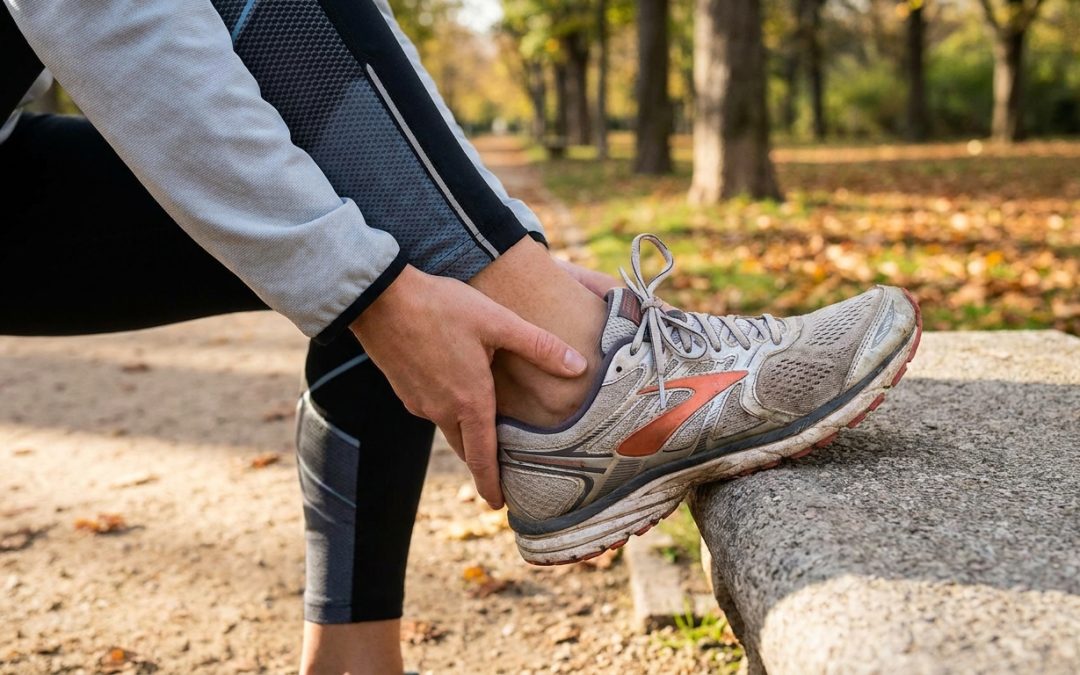
Stop Making These Arch Pain Mistakes: What Every Langley Runner Needs to Know
The rhythmic pounding of feet on pavement, the fresh air along the Nicomekl Trail, the personal satisfaction of conquering a route through Campbell Valley Regional Park—running in Langley offers an unparalleled sense of freedom. But for many, this freedom is abruptly halted by a sharp, nagging, or burning pain in the arch of the foot. Industry data consistently shows that foot pain is one of the most common complaints among runners, with arch pain being a primary offender that sidelines athletes from their training schedules. What professionals in podiatry across British Columbia know is that this pain is rarely random. It’s often the result of several critical, yet common, mistakes that runners make every day.
Ignoring that initial twinge, pushing through discomfort, or relying on generic, off-the-shelf solutions are gambles that can turn a minor strain into a chronic, debilitating condition. The truth is, the approach many Langley runners take to manage their arch pain is often counterproductive, leading to longer recovery times and a frustrating cycle of re-injury. The key isn’t just to treat the pain, but to understand and correct the fundamental errors causing it. This professional guide will illuminate the mistakes that lead to arch pain and provide the expert-backed knowledge needed to run stronger, healthier, and pain-free on your favorite local trails and roads.
What Podiatry Professionals Know About the Anatomy of Arch Pain
Before diving into common mistakes, it’s crucial to understand the structure you’re dealing with. Your foot’s arch is a complex system of bones, ligaments, and tendons, with the plantar fascia—a thick band of tissue connecting your heel to your toes—playing a starring role. This structure is designed to absorb shock and distribute pressure with every step. When you run, the force on your feet can be several times your body weight. The arch is your primary suspension system. Professional analysis reveals that arch pain, most commonly diagnosed as plantar fasciitis, isn’t just an “inflammation” problem; it’s a load management problem. The tissue has been stressed beyond its capacity to recover, leading to pain, stiffness, and sometimes, microscopic tears.
Podiatry experts consistently find that this overload stems from a combination of factors, not a single event. It’s the cumulative effect of improper biomechanics, inadequate conditioning, and poor equipment choices. Understanding this helps shift the focus from simply masking pain to addressing the root cause—a critical step that many runners miss.
Mistake #1: Believing “One-Size-Fits-All” When It Comes to Running Shoes
One of the most frequent and damaging mistakes is assuming any high-quality running shoe will suffice. The reality is that footwear is not a universal solution; it’s a highly individual piece of medical equipment. A 2022 study highlighted that over 80% of people wear shoes that lack adequate support, directly contributing to arch pain. Professional standards in podiatry recommend a shoe choice based on your specific foot type and gait mechanics.
The Flaw in Generic Choices
Runners with flat feet often overpronate (their foot rolls inward excessively), which puts immense strain on the plantar fascia and posterior tibial tendon. Conversely, runners with high, rigid arches (pes cavus) are poor shock absorbers, concentrating pressure in the heel and ball of the foot. A shoe designed for a flat-footed runner can be detrimental for someone with a high arch, and vice-versa. Relying on a generic “cushioned” or “stability” shoe without a proper assessment is a recipe for trouble.
Worn-Out Shoes: The Silent Saboteurs
Even the perfect shoe has a limited lifespan. Industry professionals suggest that active runners consider replacing their shoes every 500 to 800 kilometers. The critical component is the midsole—the cushioning layer that absorbs impact. This layer breaks down long before the outer sole shows significant wear. Continuing to run on shoes with degraded cushioning forces your arches to absorb excessive impact, leading directly to strain and pain. A common sight in clinics from White Rock to Vernon is a runner with a seemingly new-looking pair of shoes that, upon inspection, offer no functional support.
Mistake #2: Overtraining and Ignoring the Principle of Progressive Overload
Enthusiasm is a runner’s greatest asset, but unchecked, it can become their biggest liability. The principle of progressive overload dictates that for tissues to adapt and become stronger, stress must be increased gradually. Overtraining, which podiatrists identify as a primary cause of arch pain, violates this principle.
Too Much, Too Soon
Podiatry case studies in active communities like Kelowna and Nanaimo often feature runners who dramatically increased their mileage or intensity in a short period. Jumping from a casual 10km a week to training for a half-marathon without a structured plan places an excessive load on the plantar fascia before it can adapt. This is a classic trigger for plantar fasciitis. The tissue simply cannot handle the abrupt change in demand.
Neglecting Rest and Recovery
Recovery is when adaptation happens. Ignoring rest days or running through fatigue prevents the micro-tears in your muscles and connective tissues from healing. This leads to cumulative stress and breakdown. Chronic, lingering pain is your body’s signal that it’s not recovering adequately. Listening to these signals is paramount for injury prevention.
The Terrain Trap in the Fraser Valley
Running on the varied terrain around Langley, from the paved paths of the Fort to Fort Trail to the uneven ground at Aldergrove Regional Park, requires different biomechanical adaptations. Suddenly shifting from flat, predictable road running to challenging trail running without a gradual transition can overload the stabilizing muscles in your feet and strain your arches.
Mistake #3: Ignoring the Kinetic Chain: It’s Not Just About Your Feet
A highly prevalent mistake is focusing solely on the site of the pain—the arch. Podiatrists and sports medicine experts understand the body as an interconnected kinetic chain. What happens at your hips and core directly impacts the forces absorbed by your feet.
Weak Hips and a Weak Core
Weakness in the gluteal muscles and core instability often lead to poor running mechanics, such as increased hip adduction (where the knee collapses inward). This, in turn, can cause overpronation at the foot, placing significant stress on the arch. Many runners with persistent arch pain are surprised when a foot pain specialist in Victoria or a podiatrist in Kelowna prescribes hip-strengthening exercises, but professional assessments consistently link these issues.
Tight Calf Muscles and Stiff Ankles
The calf muscles, Achilles tendon, and plantar fascia are functionally connected. Tightness in the calf muscles limits ankle dorsiflexion (the ability to pull your toes up towards your shin). This restriction forces the foot to compensate, often by overpronating, which increases the tensile load on the plantar fascia with every stride. Research has noted that gastrocnemius tightness is a significant factor in individuals with foot strain. Simple calf stretches are one of the most effective preventative measures runners can take.
Mistake #4: Self-Diagnosing and Delaying Professional Treatment
The “wait-and-see” approach or relying on internet forums for a diagnosis is perhaps the costliest mistake a runner can make. Ignoring foot pain can lead to compensatory gait changes that cause a cascade of secondary injuries in the ankles, knees, hips, and lower back.
When to Seek Professional Help
Professional standards recommend seeking a podiatrist’s evaluation if you experience any of the following:
- Pain that is sharp and stabbing with your first steps in the morning.
- Pain that persists for more than a few days despite rest.
- Pain that worsens during or immediately after a run.
- Swelling or bruising in the foot or ankle.
- Numbness or tingling sensations.
Early intervention is critical. An issue that might be resolved in a few weeks with proper care can become a chronic problem that takes months or even years to manage if left untreated.
The Role of a Podiatrist
A podiatrist can provide a definitive diagnosis, ruling out other potential issues like stress fractures or nerve entrapment. They perform a comprehensive biomechanical assessment to identify the underlying causes of your pain. This expert analysis is the foundation for an effective, personalized treatment plan.
Advanced Solutions: What Your Podiatrist Can Offer
When basic rest, ice, and stretching aren’t enough, podiatry clinics in Surrey, Abbotsford, and across BC offer advanced, evidence-based treatments to get you back on your feet.
Custom Orthotics: Precision Support
Unlike over-the-counter inserts, which offer generic cushioning, custom orthotics are medical devices prescribed to correct your specific biomechanical imbalances. A podiatrist takes precise molds or digital scans of your feet to create orthotics that support your arch, control pronation, and redistribute pressure away from the injured area. Studies show that custom orthotics can significantly reduce pain by improving foot alignment and allowing the plantar fascia to heal. For runners in places like Penticton or Nanaimo facing recurring issues, custom orthotics can be a game-changing preventative tool.
Shockwave Therapy: Stimulating Natural Healing
Extracorporeal Shockwave Therapy (ESWT) is a non-invasive treatment that uses high-energy acoustic waves to stimulate the body’s natural healing response in damaged tissues. Research has shown its effectiveness in treating chronic plantar fasciitis that hasn’t responded to other treatments. This therapy increases blood flow, promotes tissue regeneration, and reduces pain signals. Clinics offering advanced treatments like shockwave therapy in Chilliwack or Penticton provide a modern solution for runners struggling with stubborn heel and arch pain.
Diabetic Foot Care for Runners
For runners with diabetes, even minor foot issues can become serious. It is vital to seek specialized care. A podiatrist providing diabetic foot care in Surrey or other communities ensures that any issue, from blisters to arch strain, is managed appropriately to prevent complications like ulcers or infections.
Local Expert FAQ
Q: Are the running trails in Langley, like the Houston Trail, bad for my arches?
A: Industry professionals find that trail running itself isn’t inherently bad, but the uneven surfaces demand more from the stabilizing muscles in your feet and ankles. If you have underlying biomechanical issues or weak foot muscles, trails can exacerbate them. A gradual transition to trails, combined with proper footwear and strengthening exercises, is key. A podiatrist can assess your suitability for different terrains.
Q: I work in Abbotsford and stand all day. Does that affect my running arch pain?
A: Absolutely. Prolonged standing, especially on hard surfaces, puts constant strain on the plantar fascia. When you add the high-impact stress of running, the tissue can easily become overloaded. This is a common scenario seen in foot injury clinics. Professional advice often includes wearing supportive shoes at work and considering custom orthotics to provide all-day support, reducing the cumulative load on your arches.
Q: Can I get effective bunions treatment in Victoria or bunion surgery in Nanaimo that will allow me to run again?
A: Yes. Bunions can alter foot mechanics and contribute to arch pain. Modern bunion treatments, ranging from conservative care like custom orthotics to advanced surgical techniques, are designed to correct the deformity and restore normal foot function. The goal of any treatment plan from a qualified podiatrist is to get you back to your activities, including running, pain-free.
Q: Is the sharp pain I feel in my arch always plantar fasciitis?
A: While plantar fasciitis is the most common cause of arch pain in runners, it’s not the only one. Other potential causes include stress fractures, posterior tibial tendon dysfunction (a key arch-supporting tendon), or nerve issues. This is why a professional diagnosis from a foot pain specialist is crucial. Misdiagnosing and treating the wrong condition can delay healing and worsen the problem.
Key Takeaways
- Footwear is Personal: Stop using one-size-fits-all shoes. Get fitted based on your specific foot type and running gait. Replace worn-out shoes regularly.
- Train Smart: Avoid sudden increases in mileage or intensity. Incorporate rest days and listen to your body’s warning signs to prevent overtraining injuries.
- Look Beyond the Foot: Your arch pain could be stemming from weakness in your hips or tightness in your calves. A whole-body approach to strength and flexibility is essential.
- Don’t Delay: Pushing through pain leads to bigger problems. Early and accurate diagnosis from a podiatrist is the fastest route to recovery and prevents chronic issues.
- Explore Advanced Solutions: If conservative measures fail, treatments like custom orthotics and shockwave therapy offer proven, effective relief for persistent arch pain.
Arch pain doesn’t have to be a permanent roadblock in your running journey. By avoiding these common mistakes and seeking expert guidance, you can address the root cause of your discomfort, not just the symptoms. Whether you’re training for the Vancouver Marathon or simply enjoying the beautiful running routes Langley has to offer, a proactive and informed approach to your foot health is your key to longevity in the sport.
While we aim for accuracy, please verify details for your specific situation. For personalized advice and to discuss how these insights apply to your specific needs, we’d love to chat with you directly.
Ready to put arch pain behind you for good? The expert team at Island Foot Clinics in Langley and our other convenient locations across British Columbia, including Kelowna, Victoria, Nanaimo, Penticton, Surrey, and White Rock, is here to help. Schedule a comprehensive biomechanical assessment today and take the first step toward a pain-free run.