
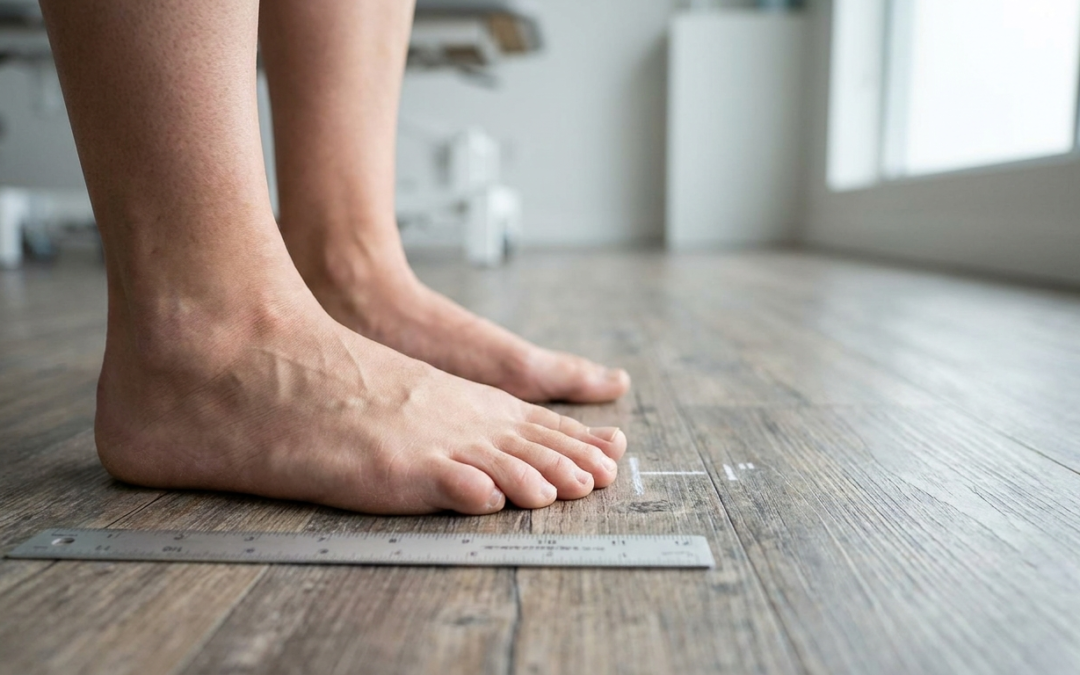
The “One-Inch Mistake” Destroying Kelowna Feet: Why Correct Alignment Matters
Industry professionals in podiatry consistently observe a fundamental oversight that quietly sabotages the health of active residents across Kelowna, Victoria, and Nanaimo. It’s a subtle, often imperceptible, deviation in foot alignment—sometimes less than an inch—that triggers a cascade of painful consequences. This “one-inch mistake” isn’t a single event but a chronic biomechanical flaw that forces the entire body to compensate, leading to persistent foot pain, joint strain, and mobility issues. What most people don’t realize is that the unexplained knee, hip, or even lower back pain they experience often originates from this seemingly minor imbalance in their foundation: their feet.
This issue is particularly relevant for those enjoying the vibrant, outdoor lifestyles of communities from Penticton to Cranbrook. The very activities that define life in these regions—hiking the trails near Knox Mountain, walking the seawall in White Rock, or simply staying active in Surrey or Abbotsford—can exacerbate the negative effects of poor alignment. When the foot’s structure isn’t functioning optimally, every step sends dysfunctional forces up the kinetic chain, turning a healthy activity into a source of chronic wear and tear. Understanding and correcting this foundational error is paramount to long-term mobility and a pain-free life.
What Industry Professionals Know About the Kinetic Chain Reaction
Podiatry experts view the human body as an interconnected system, often referred to as the kinetic chain. Your feet are the literal foundation of this chain. A slight misalignment here, such as the foot rolling too far inward (overpronation) or outward (supination), creates a subtle but significant shift. This “one-inch mistake” forces the ankles, knees, hips, and even the spine to adjust unnaturally to maintain balance.
Industry case studies consistently demonstrate this domino effect. For instance, a patient in Langley with persistent knee pain might discover the root cause is excessive pronation. The inward rolling of the foot causes the tibia (shin bone) to rotate internally, placing abnormal stress on the knee joint. Over months and years, this compensation can lead to conditions like patellofemoral pain syndrome or increased wear on cartilage. Similarly, professionals in Vernon and Chilliwack often trace chronic lower back pain to foot imbalances that tilt the pelvis and destabilize the spine.
The Science of Pronation and Supination
To understand alignment, it’s essential to grasp two key biomechanical movements: pronation and supination. Both are natural and necessary parts of the gait cycle.
- Pronation: This is the natural inward roll of the foot as it strikes the ground. It’s a crucial shock-absorbing mechanism that helps the foot adapt to varied terrain.
- Supination: This is the opposite motion, where the foot rolls outward. It occurs late in the gait cycle to create a rigid lever for an efficient push-off.
The problem arises when these motions become excessive. Overpronation, where the arch collapses and the foot rolls too far inward, is a common culprit behind many alignment-related issues. This condition forces supporting muscles and tendons to work overtime, leading to fatigue and strain. Conversely, oversupination (or underpronation) means the foot doesn’t roll inward enough, failing to absorb shock effectively and placing immense pressure on the outer structures of the foot and leg.
The Telltale Signs: How to Spot Misalignment Before It Causes Major Damage
Recognizing the early warning signs of poor foot alignment can prevent minor issues from escalating into chronic problems. Podiatry experts encourage individuals to pay attention to subtle clues their bodies provide. These signals often appear long before significant pain develops.
Early Warning Indicators
- Uneven Shoe Wear: This is one of the most reliable indicators. If the soles of your shoes wear down significantly faster on the inner or outer edge, it points directly to an uneven distribution of weight during your gait.
- Chronic Foot Fatigue: If your feet feel tired or achy after short periods of standing or walking, it could mean your muscles are overcompensating for poor alignment.
- Visible Changes in Foot Posture: Look at your feet and ankles while standing. Do your ankles lean inward? Do your arches appear to have dropped? These slow, visible changes are often dismissed but can signal a significant biomechanical issue.
- Recurring Aches and Pains: Persistent discomfort in the heels (plantar fasciitis), balls of the feet, or arches is a direct symptom. However, the pain often manifests “upstream” as well. Unexplained pain in the knees, hips, or lower back is a classic sign that your body is compensating for a foundational problem in your feet.
- Balance and Stability Issues: Frequent ankle rolls or a feeling of unsteadiness on your feet can indicate that your foot structure isn’t providing a stable base.
For active individuals in communities like Courtenay and Cranbrook, ignoring these signs can lead to more significant injuries, such as stress fractures, shin splints, or Achilles tendonitis, sidelining them from the activities they love.
The Professional Solution: Reclaiming Your Foundation with Podiatric Care
Once a misalignment is identified, the goal of podiatric intervention is not just to treat the symptoms but to correct the underlying biomechanical flaw. A comprehensive approach is crucial for lasting relief and preventing future issues.
Biomechanical Assessment and Gait Analysis
A thorough diagnosis is the first step. Leading podiatry professionals utilize advanced tools like gait analysis to observe how your body moves. This involves walking or running on a specialized treadmill or pressure plate that maps the forces your feet exert with each step. This data provides an objective look at your unique foot function, revealing imbalances that might not be visible to the naked eye.
The Role of Custom Orthotics
For many individuals suffering from the “one-inch mistake,” custom orthotics are a cornerstone of effective treatment. It is critical to distinguish these from over-the-counter inserts. While generic insoles offer cushioning, custom orthotics are prescription medical devices crafted from a precise 3D scan or cast of your feet. Their purpose is to correct your specific alignment issue by supporting the arches, controlling motion, and redistributing pressure across the foot.
In places like Victoria and Nanaimo, where lifestyles often involve a lot of walking, custom orthotics can be transformative. They don’t just add comfort; they functionally realign your foot with every step, which in turn corrects the compensations happening in your knees, hips, and back. Industry data shows that properly prescribed orthotics can significantly reduce pain and improve mobility, making them a powerful tool for treating conditions from bunions to chronic heel pain.
Advanced and Supportive Therapies
Modern podiatry offers a range of therapies that work alongside orthotics to accelerate healing and manage pain.
- Shockwave Therapy: Clinics in locations like Chilliwack and Penticton increasingly use Extracorporeal Shockwave Therapy (ESWT). This non-invasive treatment uses acoustic waves to stimulate blood flow and trigger the body’s natural healing processes in chronically injured tissues like the plantar fascia or Achilles tendon.
- Fungal Toenail Treatment: Conditions like fungal toenails can alter nail thickness and shape, causing pressure and discomfort that affect gait. Advanced treatments available in Surrey and Abbotsford, such as cold laser therapy, can effectively and painlessly eradicate the fungus without the side effects of oral medications.
- Diabetic Foot Care: For individuals with diabetes in communities across British Columbia, proper foot alignment is even more critical. Misalignment can create pressure points that lead to sores and ulcers. Comprehensive diabetic foot care, a specialty service, focuses on prevention, regular check-ups, and managing any related complications.
Local Expert FAQ
How do I know if my foot pain in Kelowna is due to alignment?
Industry professionals suggest looking for patterns. Does the pain worsen with activity? Is it accompanied by pain in your knees or back? Do your shoes show uneven wear? These are strong indicators. A definitive diagnosis requires a biomechanical assessment from a podiatrist, who can analyze your gait and foot structure.
What is the cost of custom orthotics in Victoria or Nanaimo?
The price for custom-made orthotics can vary. Generally, you can expect the cost to range from approximately $450 to $500 for the devices themselves. This often follows an initial consultation and gait scan appointment, which may have a separate fee of around $60 to $125. Many extended health benefit plans provide coverage for custom orthotics when prescribed by a podiatrist.
Can bunions be caused by poor alignment?
Yes, biomechanical faults are a primary contributor to the formation of bunions. Overpronation, for example, can increase pressure on the big toe joint, causing it to drift out of alignment over time. Non-surgical treatments for bunions, often available in clinics from Nanaimo to Penticton, frequently start with addressing this root cause through custom orthotics to reduce pressure on the joint.
Is shockwave therapy an effective treatment for athlete’s foot?
No, shockwave therapy and athlete’s foot are unrelated. Shockwave therapy is used to treat chronic soft tissue injuries like plantar fasciitis and Achilles tendinopathy by stimulating healing. Athlete’s foot is a fungal infection of the skin and requires antifungal treatments. A podiatrist can correctly diagnose your condition and recommend the appropriate therapy.
Key Takeaways
- A subtle misalignment in your feet—the “one-inch mistake”—can trigger a chain reaction of pain throughout your knees, hips, and back.
- Early warning signs include uneven shoe wear, chronic foot fatigue, and recurring aches in your lower body.
- Your feet are the foundation of your body; correcting their alignment is crucial for long-term mobility and health.
- Custom orthotics are prescription medical devices designed to correct your specific biomechanical issues, unlike over-the-counter insoles.
- Modern podiatry clinics offer advanced treatments like shockwave therapy and cold laser therapy to address a wide range of foot and ankle conditions.
Correcting your body’s foundation is one of the most effective investments you can make in your long-term health and mobility. The discomfort that active residents of Kelowna, Victoria, Nanaimo, and surrounding communities may be accepting as “normal” is often the direct result of a correctable biomechanical flaw. Addressing this “one-inch mistake” can unlock a more active, pain-free life, allowing you to fully enjoy the incredible lifestyle British Columbia offers.
While we aim for accuracy, please verify details for your specific situation. For personalized advice and to discuss how these insights apply to your specific needs, we’d love to chat with you directly.
Don’t let a small mistake in your foundation cause big problems for your body. If you recognize any of these signs, take the first step towards lasting relief. Contact an Island Foot Clinics location near you—in Kelowna, Victoria, Nanaimo, Penticton, Surrey, Abbotsford, Chilliwack, Cranbrook, White Rock, Vernon, Langley, or Courtenay—to schedule a comprehensive biomechanical assessment today.