
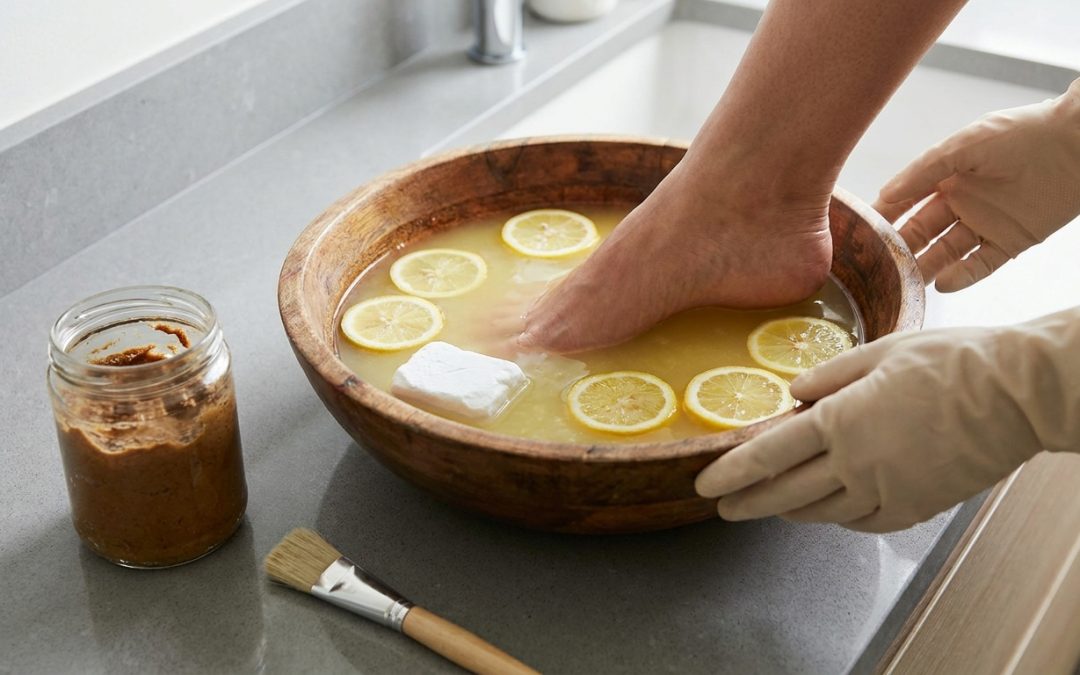
Warning: DIY Athlete’s Foot Treatments That Might Make It Worse in Surrey
That persistent, maddening itch between the toes. The dry, scaling skin on the soles of your feet. For many residents in Surrey, Abbotsford, Langley, and across the Fraser Valley, the familiar discomfort of athlete’s foot (tinea pedis) is a frustrating reality. It’s a common fungal infection, thriving in the warm, damp environments inside our shoes. The immediate reaction for most is a trip to the pharmacy or a search for a quick do-it-yourself (DIY) home remedy. While proactive self-care is commendable, podiatric professionals are seeing a concerning trend: well-intentioned DIY treatments that not only fail but actively worsen the condition, leading to more severe complications.
The core issue that industry experts consistently identify is a misunderstanding of the fungus itself and the integrity of the skin. Many popular home remedies are either too harsh, damaging the skin’s protective barrier, or not potent enough to eradicate the fungus, allowing it to persist and spread. Before you reach for that bottle of vinegar or essential oil, it’s crucial to understand what industry professionals know about these common but potentially harmful “cures.”
The Real Truth About Popular “Natural” Home Remedies
A quick online search for athlete’s foot cures reveals a long list of household items purported to solve the problem. However, from a clinical perspective, many of these remedies pose significant risks that can escalate a simple fungal issue into a more complex podiatric problem.
Myth 1: Bleach Soaks Will Disinfect the Fungus
The Professional Insight: This is one of the most dangerous DIY treatments. While bleach is a powerful disinfectant for surfaces, it is far too caustic for human skin. Podiatrists and dermatologists strongly caution against this practice. Applying bleach, even in diluted form, can cause severe chemical burns, stripping the skin of its natural oils and destroying its protective barrier. This damage creates cracks and open sores, providing an ideal entryway for a secondary bacterial infection, which can be far more serious than the initial fungal problem. Industry case studies show that bleach applications can lead to conditions like cellulitis, a painful bacterial skin infection requiring immediate medical attention.
Myth 2: Pure Tea Tree Oil is a Potent Natural Antifungal
The Professional Insight: Tea tree oil does possess antifungal properties, and some studies have shown it may offer some relief for athlete’s foot. However, the concentration and application are critical. Experts warn against applying undiluted tea tree oil directly to the skin. Its high concentration can cause contact dermatitis, an allergic reaction resulting in redness, blistering, and intense itching—symptoms that mimic and exacerbate the athlete’s foot itself. While some controlled studies used solutions of 25% to 50%, a DIY approach often involves pure oil, which is too harsh and can compromise skin health, ultimately making the foot more vulnerable to infection.
Myth 3: Apple Cider Vinegar Soaks Can Kill the Fungus
The Professional Insight: The logic behind using vinegar is based on its acetic acid content, which can create an environment less hospitable to fungi. However, there is little robust scientific evidence to support its effectiveness as a cure. More importantly, prolonged or frequent soaks in a highly acidic solution can irritate and dry out the skin. For individuals with sensitive skin, existing cracks, or underlying conditions like diabetes, this can be particularly risky. The acid can cause chemical burns on already inflamed tissue, delaying healing and increasing pain.
Myth 4: Hydrogen Peroxide or Rubbing Alcohol Will Clean the Area
The Professional Insight: Like bleach, these substances are too aggressive for treating delicate, infected skin. While they have antiseptic properties, they don’t effectively target the deep-seated fungus and can cause significant skin damage. Rubbing alcohol, in particular, severely dries the skin, leading to more cracking and peeling, which gives the fungus more places to hide and thrive. Industry professionals no longer recommend hydrogen peroxide for most wound care as it can damage healthy healing cells.
Why Over-the-Counter Treatments Sometimes Fail (And What to Do About It)
Even when you choose a medically approved over-the-counter (OTC) antifungal cream, spray, or powder, success isn’t guaranteed. Many people in the White Rock and Chilliwack communities find themselves in a frustrating cycle of treatment and recurrence. Professional standards in podiatry point to several common reasons for this.
Misdiagnosis: Is It Really Athlete’s Foot?
One of the most critical errors in self-treatment is misdiagnosis. Several other skin conditions can present with symptoms similar to athlete’s foot, including:
- Eczema (Dyshidrotic Eczema): This can cause small, itchy blisters on the soles of the feet and between the toes.
- Psoriasis: This autoimmune condition can lead to red, scaly patches on the feet.
- Contact Dermatitis: An allergic reaction to materials in shoes or socks can cause a red, itchy rash.
Applying an antifungal cream to these conditions will not work and may even worsen the irritation. A professional diagnosis from a podiatrist is essential to ensure you are treating the correct problem.
Improper or Inconsistent Application
Leading podiatry professionals report that patient adherence is a major factor in treatment success. Many OTC treatments require consistent application, often twice daily, for several weeks. A common mistake is stopping the treatment as soon as the itching subsides. The visible symptoms may disappear, but the underlying fungal spores can remain, leading to a swift recurrence once the treatment stops. Professional advice is to continue using the medication for at least one to two weeks after the rash has cleared to ensure the fungus is fully eradicated.
Not Treating the Environment
The fungus that causes athlete’s foot doesn’t just live on your skin; it thrives in your shoes and socks. If you successfully treat your feet but then put them back into contaminated footwear, you are likely to reinfect yourself. Professional protocols emphasize treating the entire foot environment. This includes:
- Washing socks in hot water.
- Using an antifungal spray or powder inside all shoes.
- Alternating shoes daily to allow them to dry out completely.
- Choosing footwear made of breathable materials.
For those in Nanaimo or Penticton struggling with persistent issues, services like custom orthotics can also play a role by improving foot mechanics and reducing pressure points that can lead to skin breakdown, while using materials that are less conducive to fungal growth.
The Dangers of Delaying Professional Care in British Columbia
Treating athlete’s foot as a minor nuisance and allowing it to persist can lead to significant complications. This is especially true for certain populations, and podiatrists across our service areas from Vernon to Cranbrook emphasize the need for prompt and proper care.
Spread of Infection (Onychomycosis and Tinea Manuum)
If left untreated, the fungus on the skin can easily spread to the toenails, leading to a condition called onychomycosis, or fungal nail infection. This is notoriously difficult to treat, often requiring prescription oral medications or advanced treatments like laser therapy for a `fungal toenail treatment Surrey` residents might seek. The nails can become thick, discoloured, and brittle. The infection can also spread to the hands (tinea manuum) from scratching the affected feet.
Secondary Bacterial Infections
The cracks, blisters, and raw skin caused by a chronic fungal infection create a breach in your body’s primary defense system. This allows bacteria to enter, leading to a secondary infection like cellulitis. Symptoms of cellulitis include redness, swelling, warmth, and pain, and it can become serious if it enters the bloodstream. This risk underscores the importance of seeking help from a `foot injury clinic Abbotsford` or your local podiatrist before the condition escalates.
Special Risks for People with Diabetes
For individuals with diabetes, any foot issue is a serious concern. Diabetes can cause nerve damage (neuropathy) and reduced blood flow to the feet, impairing the body’s ability to heal and fight infection. A simple case of athlete’s foot can quickly lead to open sores or ulcers that may not heal properly, increasing the risk of severe infections and, in worst-case scenarios, amputation. Professional `diabetic foot care Surrey` services are vital for managing and preventing such complications.
What Podiatry Professionals Know: Advanced Treatments for Persistent Athlete’s Foot
When DIY methods and OTC products fail, it’s time to consult a foot specialist. Podiatrists in clinics from Victoria to Kelowna have access to diagnostic tools and advanced treatments that can resolve even the most stubborn fungal infections.
The first step a podiatrist takes is securing an accurate diagnosis. This might involve a simple visual examination or taking a small skin scraping to be viewed under a microscope or sent for culture. This confirms the presence and type of fungus, ruling out other skin conditions.
Based on the diagnosis, a professional treatment plan may include:
- Prescription-Strength Topical Medications: These creams and ointments are far more potent than what is available over the counter and can be more effective against resistant fungal strains.
- Oral Antifungal Medications: For severe, widespread, or stubborn infections, particularly those that have spread to the nails, a podiatrist may prescribe oral medication. These work systemically to eliminate the fungus from the inside out.
- Comprehensive Environmental Management: A podiatrist provides expert guidance on sanitizing footwear, choosing appropriate socks, and making lifestyle adjustments to prevent recurrence. This can include recommendations for services like `custom orthotics Victoria` to create a healthier in-shoe environment.
- Addressing Related Issues: Chronic foot problems are often interconnected. A podiatrist can address contributing factors, whether it’s managing excessive sweating (hyperhidrosis) or treating related foot pain in Kelowna that might alter your gait and create friction spots.
Local Expert FAQ: Your Athlete’s Foot Questions Answered
Is my recurring foot rash in Surrey definitely athlete’s foot?
Not necessarily. Conditions like eczema, psoriasis, or contact dermatitis can look very similar. Antifungal treatments won’t work on these. The only way to know for sure is to get a professional diagnosis from a podiatrist who can differentiate between these conditions.
Why does my athlete’s foot keep coming back, even after using pharmacy creams?
Recurrence is a common issue. Industry professionals find it’s usually due to one of three things: stopping treatment too soon, reinfecting yourself from contaminated shoes or socks, or having a resistant strain of fungus that requires a prescription-strength medication.
If I have fungus on my feet and toenails, can I use the same treatment for both?
Generally, no. The fungus that infects the hard surface of a toenail is much more difficult to treat than skin infections. While the same type of fungus might be responsible, nail infections (`onychomycosis`) often require different, more intensive treatments, including specialized topical solutions or oral medications prescribed by a podiatrist.
When should I give up on DIY treatments and see a specialist?
Professional standards suggest seeking help if your condition doesn’t improve after two weeks of consistent OTC treatment. You should see a podiatrist immediately if you notice signs of a bacterial infection (like swelling, excessive redness, or pus), if the infection is spreading, or if you have diabetes or a compromised immune system.
Key Takeaways
- Many popular DIY athlete’s foot treatments like bleach, undiluted tea tree oil, and vinegar can cause chemical burns and skin irritation, making the problem worse.
- Over-the-counter treatments can fail due to misdiagnosis, inconsistent use, or failure to treat the environment (shoes and socks).
- Untreated athlete’s foot can lead to serious complications, including the spread of fungus to the toenails and secondary bacterial infections like cellulitis.
- Individuals with diabetes face a significantly higher risk of complications from fungal infections and should seek professional care immediately.
- A podiatrist can provide an accurate diagnosis and access to prescription-strength treatments that are more effective for persistent infections.
Navigating the persistent itch and frustration of athlete’s foot can be challenging. While the urge to find a quick fix at home is understandable, the potential for worsening the condition is a significant risk. The most effective path to relief is a correct diagnosis and a treatment plan based on sound medical principles. Don’t let a simple fungal infection escalate into a more severe problem that impacts your daily life.
While we aim for accuracy, please verify details for your specific situation. For personalized advice and to discuss how these insights apply to your specific needs, we’d love to chat with you directly.
If you are struggling with a persistent foot rash or suspect you have athlete’s foot in Surrey, Kelowna, Victoria, Nanaimo, or any of our other service locations, take the guesswork out of treatment. Contact Island Foot Clinics to schedule a comprehensive evaluation with one of our expert podiatrists and take the first step toward healthy, comfortable feet.