
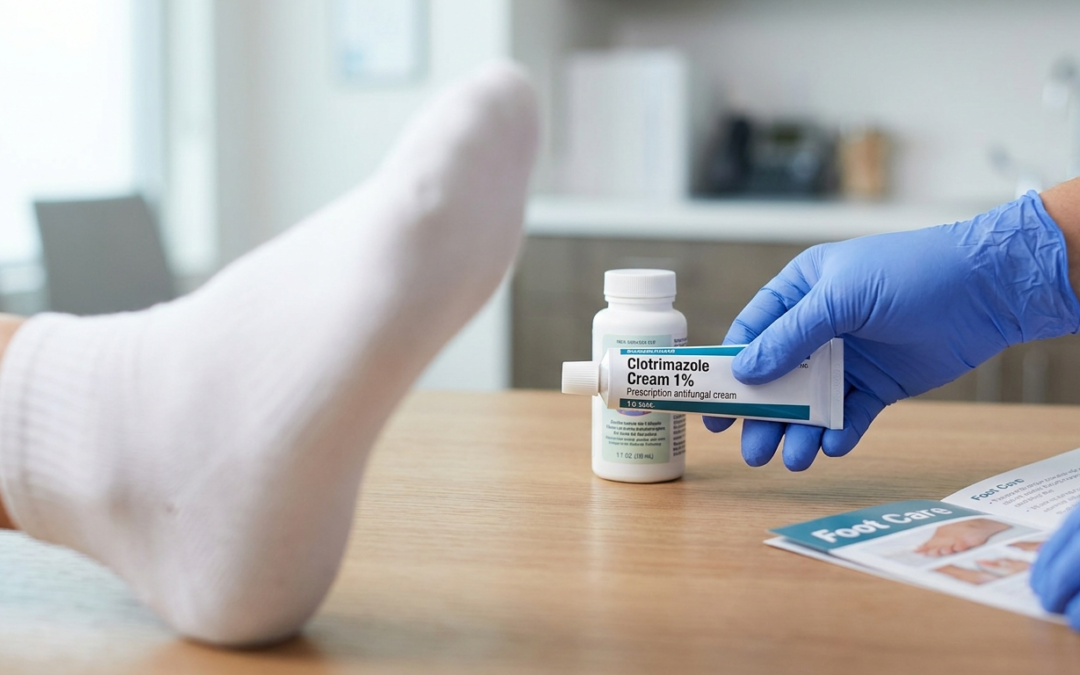
Why Your DIY Athletes’ Foot Treatments Are Failing (And What Actually Works)
It’s a frustratingly common scenario for residents all across British Columbia, from the active communities in Kelowna and Penticton to the bustling urban centres of Surrey and Langley. You notice the tell-tale signs of athlete’s foot—the incessant itching, the cracking skin between your toes, the slight odour—and you head to the local pharmacy. You diligently apply an over-the-counter (OTC) cream, and for a while, it seems to work. But just as you think you’ve won, the symptoms come roaring back. If this cycle sounds familiar, you’re not alone. The persistent nature of athlete’s foot, or tinea pedis, often has less to do with the product you’re using and more to do with the complexities of the fungus itself and common errors in self-treatment.
Industry professionals across BC, from Victoria and Nanaimo to Abbotsford and Chilliwack, consistently observe that while OTC remedies can be effective for mild, early-stage infections, they frequently fall short. The reasons for failure are multifaceted, ranging from misdiagnosis and incomplete treatment to environmental reinfection and the emergence of drug-resistant fungal strains. Understanding why your home-based efforts are failing is the critical first step toward achieving lasting relief and reclaiming your foot health.
The Hidden Complexities of a “Simple” Fungal Infection
What most people don’t realize about athlete’s foot is that the fungus responsible, known as a dermatophyte, is remarkably resilient. These organisms are designed to survive. They thrive in the warm, dark, and moist environments found inside the shoes of many British Columbians, whether they’re hiking in Cranbrook, working in Vernon, or strolling the beaches of White Rock. The fungus doesn’t just sit on the surface; it invades the outer layer of the skin to feed on keratin, a structural protein.
Mistake #1: Stopping Treatment When Symptoms Subside
One of the most common errors podiatry experts see is the premature cessation of treatment. You apply an antifungal cream, and within a few days, the itching and redness decrease. Believing the problem is solved, you stop the treatment. However, the visible symptoms are only the most superficial signs of the infection. The fungal spores can remain dormant in deeper skin layers, ready to reactivate once the antifungal agent is withdrawn. Health Canada guidelines and product instructions often specify a full treatment course of two to four weeks, even after symptoms disappear, to ensure the fungus is fully eradicated. Failing to complete this full course is a primary reason for recurrence.
Mistake #2: Misidentifying the Condition
Not every itchy, scaly rash on the foot is athlete’s foot. Other conditions can present with very similar symptoms, including eczema, psoriasis, or contact dermatitis. Over-the-counter antifungal creams are completely ineffective against these non-fungal conditions. In some cases, applying certain creams—especially those containing steroids without a proper antifungal component—can actually suppress the local immune response and worsen the fungal infection. A professional diagnosis from a foot specialist in areas like Courtenay or Surrey is crucial to ensure you’re treating the right problem. A podiatrist can perform a simple skin scraping to confirm the presence of fungus under a microscope, providing a definitive diagnosis that home treatment cannot.
Mistake #3: Ignoring the Environmental Reinfection Cycle
Perhaps the most significant oversight in DIY treatment is failing to address the environment where the fungus lives. You can treat your feet perfectly, but if you immediately put them back into shoes contaminated with fungal spores, you are setting yourself up for reinfection. Fungal spores can survive for weeks or even months in the dark, damp lining of your footwear, on bathmats, in socks, and on shower floors.
Professional standards in podiatry emphasize a two-pronged attack: treat the feet and decontaminate the environment. This includes:
- Shoe Rotation: Avoid wearing the same pair of shoes every day. Allowing shoes to air out for at least 24 hours helps them dry completely, making the environment less hospitable for fungi.
- Shoe Sanitization: Use an antifungal spray or powder inside your shoes to kill lingering spores.
- Proper Sock Hygiene: Wear socks made of natural, moisture-wicking fibers like wool or bamboo, and change them daily, or more often if your feet get sweaty.
- Laundering: Wash towels, socks, and bathmats in hot water to effectively kill fungal spores.
The Growing Concern of Antifungal Resistance
A more recent and concerning development that industry experts are tracking is the rise of antifungal resistance. Just like bacteria can become resistant to antibiotics, dermatophytes can evolve to resist common antifungal agents. Research, including studies from 2024 that analyzed samples from Canada, has shown an increase in strains of fungus resistant to terbinafine, a common first-line treatment available over the counter. This resistance is partly attributed to the widespread availability and incorrect use of over-the-counter combination creams that contain steroids. If you’ve been treating your athlete’s foot for weeks with no improvement, you may be dealing with a resistant strain that requires a different, prescription-strength approach.
When Untreated Athlete’s Foot Becomes a Serious Health Risk
While often viewed as a minor annoyance, untreated or improperly managed athlete’s foot can lead to significant complications. The cracks and fissures in the skin created by the fungus can serve as entry points for bacteria. This can lead to a serious bacterial skin infection called cellulitis, characterized by redness, swelling, heat, and pain, which requires immediate medical attention. For individuals with compromised immune systems or underlying conditions like diabetes, this risk is substantially higher. A simple fungal infection can escalate into a severe complication, making professional diabetic foot care in Surrey and other communities essential.
Furthermore, the fungus can spread from the skin to the toenails, causing a fungal nail infection (onychomycosis). This condition is notoriously difficult to treat, often requiring oral medications or advanced therapies like laser treatment. Once the nails are infected, they can act as a persistent reservoir, continually re-infecting the surrounding skin. This makes treating services like fungal toenail treatment in Surrey a crucial part of resolving chronic athlete’s foot.
What Professional Podiatric Treatment Actually Involves
When DIY treatments fail, a visit to a podiatrist in Kelowna, Victoria, or any of our clinic locations provides access to a higher level of care. A professional approach moves beyond just surface-level symptom management.
Accurate Diagnosis and Personalized Treatment Plans
A podiatrist will first confirm the diagnosis, ruling out other skin conditions. Based on the type and severity of your infection—from the moist, macerated skin between the toes to the dry, scaly “moccasin-type” infection covering the sole—they will create a targeted treatment plan.
This may include:
- Prescription-Strength Topical Medications: These formulations contain higher concentrations of antifungal agents or different types of agents altogether that are more effective against stubborn infections.
- Oral Antifungal Medications: For severe, widespread, or resistant infections, oral medications may be prescribed. These work systemically to attack the fungus from the inside out and are often necessary for clearing moccasin-type infections or when toenails are involved.
- Advanced Therapies: For complex cases, treatments like Shockwave therapy in Chilliwack or Penticton might be used to address associated inflammation or pain, while other specialized treatments focus on the infection itself.
Comprehensive Patient Education
A critical component of professional care is education on prevention. A podiatrist will provide specific, actionable advice tailored to your lifestyle—whether you’re an athlete, a construction worker, or someone who simply loves the outdoor activities BC offers. They will guide you on proper foot hygiene, footwear selection, and environmental decontamination to break the cycle of reinfection for good.
Local Expert FAQ
Why does athlete’s foot seem so common in places like Kelowna and Penticton during the summer?
Industry professionals observe a seasonal uptick in fungal infections in the Okanagan and other warm regions of BC. The combination of higher temperatures, increased sweating, and more time spent in and around water (lakes, pools) creates the perfect warm, moist conditions for fungi to thrive. People are also more likely to walk barefoot in public areas like beaches and pool decks, increasing exposure.
I have recurring foot pain in Kelowna along with my athlete’s foot. Could they be related?
While the fungal infection itself can cause discomfort, severe cases can lead to painful cracks and fissures. If the skin barrier is broken, it can alter how you walk to avoid pain, potentially leading to secondary musculoskeletal foot pain. A foot pain Kelowna specialist can diagnose if the issues are linked and determine the best course of action for both problems.
Are custom orthotics from a Nanaimo clinic a good idea if I have chronic athlete’s foot?
While custom orthotics in Nanaimo don’t directly treat the fungus, they can address underlying biomechanical issues that contribute to excessive sweating and pressure points. Some orthotic materials are also antimicrobial. By improving foot function and potentially reducing moisture, they can be a valuable part of a comprehensive prevention strategy for recurrent infections.
I’m looking into bunions treatment in Victoria. Can athlete’s foot complicate things?
Yes, it’s highly recommended to resolve any skin infections like athlete’s foot before undergoing any procedure, including bunion treatment or surgery. An active infection increases the risk of post-operative complications. A podiatrist providing bunions treatment in Victoria will ensure your skin is healthy before proceeding with any intervention.
Key Takeaways
- DIY treatments often fail due to incomplete application, misdiagnosis, and environmental reinfection from contaminated shoes and surfaces.
- The fungus causing athlete’s foot is resilient and can lie dormant, requiring a full course of treatment (often 2-4 weeks) even after symptoms fade.
- Emerging antifungal resistance means some over-the-counter products may no longer be effective against certain fungal strains.
- Untreated athlete’s foot can lead to serious secondary bacterial infections (cellulitis) and difficult-to-treat fungal nail infections.
- Professional podiatric care offers accurate diagnosis, prescription-strength medications, and a comprehensive plan to treat both the infection and the environmental triggers.
While the temptation to self-treat is understandable, recurring athlete’s foot is a clear signal that your current approach isn’t working. The cycle of temporary relief followed by frustrating recurrence can be broken. Seeking professional guidance is not an admission of defeat, but a proactive step towards effective, lasting treatment and healthier feet. An expert can provide the tools and knowledge necessary to finally win the battle against this persistent infection.
While we aim for accuracy, please verify details for your specific situation. For personalized advice and to discuss how these insights apply to your specific needs, we’d love to chat with you directly.
Are you tired of the endless cycle of itching and peeling? Contact Island Foot Clinics at one of our many locations across British Columbia—including Kelowna, Victoria, Nanaimo, Penticton, Surrey, Abbotsford, Chilliwack, Cranbrook, White Rock, Vernon, Langley, and Courtenay—to schedule a consultation. Let our team of experts provide you with a definitive diagnosis and an effective treatment plan to get you back on your feet, comfortably and confidently.